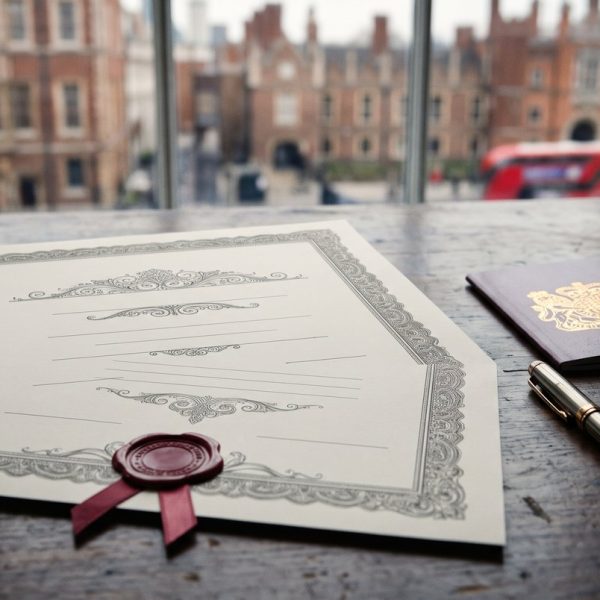
If you have ever been told that a document needs an apostille, you probably nodded politely and then searched for the answer afterwards. You are not alone. The term sounds more complicated than it is, and the confusion around it costs people time, particularly when a deadline for a visa, a marriage abroad or a job contract is looming. So, what is an apostille, and what does it have to do with translation?
What is an apostille in simple terms
An apostille is a certificate that confirms a public document is genuine. It is issued under the Hague Convention of 1961, which created a simplified way for member countries to accept each other's official papers. Without it, you might have to pass a document through several offices and an embassy. With it, a single certificate attached to the document is enough for any other country that has joined the convention.
Importantly, the apostille does not say that the contents of the document are true or approved. It only confirms that the signature, the stamp and the capacity of the official who signed it are real. The wider background to this system is covered well in the encyclopedia entry on the Apostille Convention, which lists member states and explains how the treaty works.
Which UK documents usually need one
In practice, most requests involve a short list of paperwork. A birth certificate apostille is the classic example, needed when registering a child abroad, applying for citizenship by descent or getting married overseas. Marriage and divorce certificates, criminal record checks, academic diplomas, powers of attorney and company documents are also common. Each type is processed through the relevant UK authority, and in the UK the legalisation office handles the final stamp.
A common mistake is trying to apostille a photocopy. Original documents, or certified copies issued by the registering authority, are generally what is required. Always check the exact version the receiving country will accept before you order anything.
Where translation enters the picture
Here is the part many people miss. If the country you are sending the document to uses a different language, the receiving office will probably ask for a translation as well. The order of steps matters. In most cases the original is apostilled first, and the translation is made afterwards, with the apostille itself translated too, since it contains text, dates and stamps that the reader must understand.
That is why a translation of an apostilled document needs to cover everything on the page, not just the main text. If you want to understand how the two services fit together, Polilingua explains the link between apostille and translation in a clear, practical way. For a worked example, this article on the birth certificate apostille and where translation fits walks through the process from request to delivery.
Common mistakes that cause delays
The most expensive errors are surprisingly basic. Applying to the wrong office, sending a document that has been laminated or altered, forgetting that a non-Hague country needs full legalisation rather than an apostille, and having the translation made before the apostille is attached. Another frequent problem is names. If a passport spells your name one way and a certificate another, the receiving authority may refuse both.
Timing is the other trap. Government processing times change throughout the year and can stretch during busy periods. Build in a buffer, and do not book travel or a ceremony until the documents are in your hands.
Do all countries accept an apostille
No. More than a hundred countries are members, but some important destinations are not, and a few members have objected to the accession of others, which can affect whether a document is accepted. For non-members, the document usually needs a longer chain of authentication, ending at the embassy or consulate of the destination country. Before you start, find out which route applies by checking with the receiving authority or the embassy.
Community discussions can be useful for getting a feel for how long the process takes in real life. The forum at r/UKVisa on Reddit is full of people sharing timelines and tips, though remember that rules differ by country and change often, so confirm anything you read against official guidance.
A simple plan for first-timers
Begin by asking the receiving organisation exactly what they need: the document type, whether an apostille is required, whether a translation is needed and in what form. Next, order the right original or certified copy. Then submit it for the apostille, and only after that, instruct a professional translator who is familiar with the target country's requirements. Keep scans of every stage in case something goes missing in the post.
Understanding what an apostille is takes the mystery out of the whole exercise. It is a stamp that proves a signature is real, nothing more and nothing less, and with the steps in the right order it is a manageable job rather than a bureaucratic maze. If you are unsure about any stage, a language provider with experience in official documents can save you from the most common and costly mistakes.